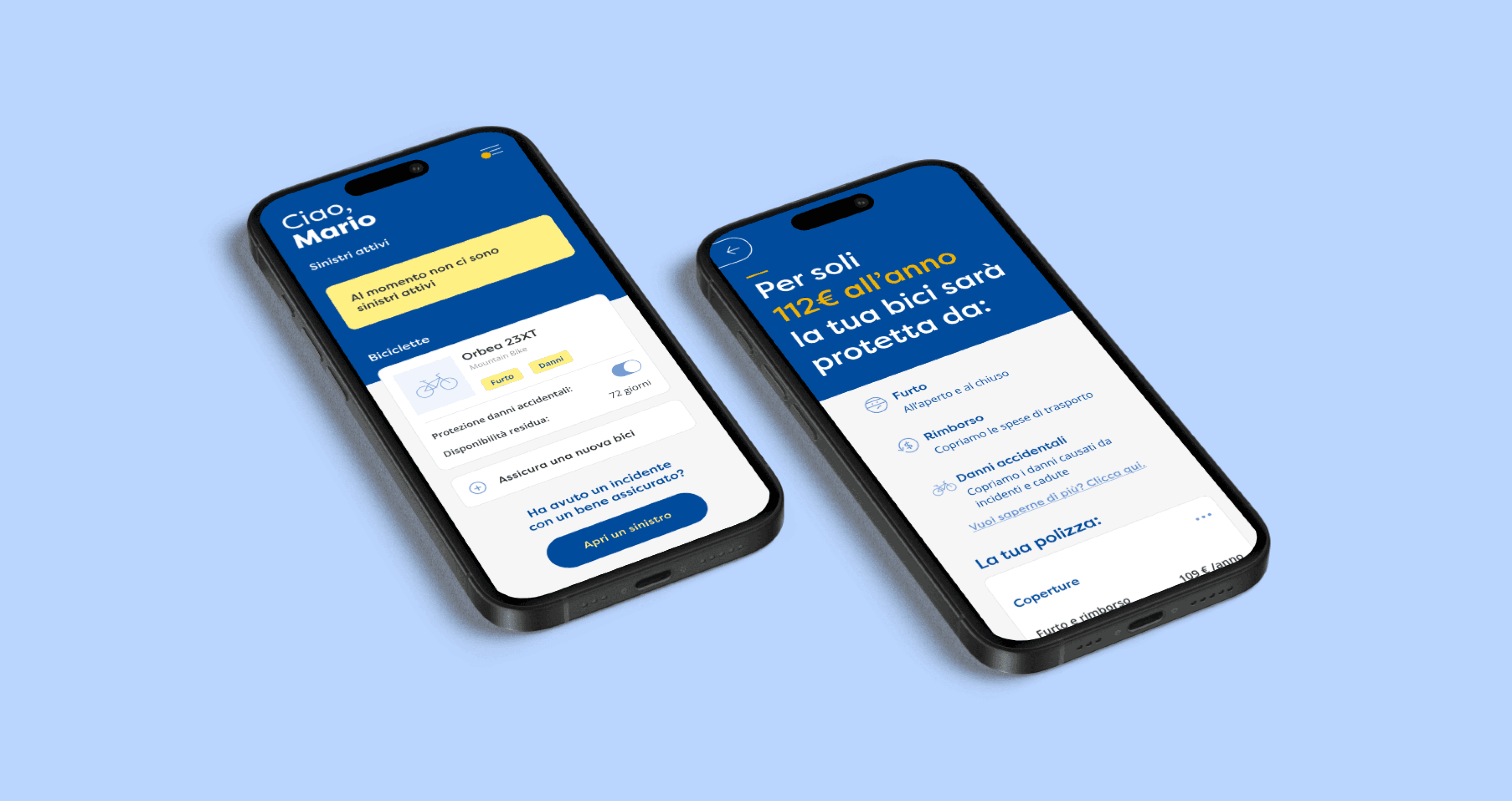
Designing a Proactive, AI-Driven Public Administration Website
End to end Product Design
User Research
UX/UI design and rapid prototyping
User Research
My role
UX and Service Designer
I led the Heuristic Evaluation, User research (desk and on field) and a redesign proposal of the new application.
Timeline
2022
Team
Tangity
Design, Strategy
Outcome
A research report and redesign proposal
A research report with some actionable for the client and a coherent proposal for the app redesign
Reale Mutua aimed to introduce an existing digital bike insurance product to the Italian market.
While the product was already available in Spain, it required additional research and design adjustments to meet local user needs and expectations.To support the launch, we conducted a heuristic evaluation, a series of user interviews, and a concept test.
Insights from these activities informed the redesign of key user flows that had been identified as particularly complex or friction-prone.
9
Interviews with real users
Interviewees from a sample agreed with the client to test the market fit.
6
Actionable for the client to launch the app
Immediate actionable that the client used to launch the procut in Italy.
Heuristic Evaluation: spotting usability issues
The project was developed using an agile and participatory approach, involving designers, developers, and key stakeholders.
We worked in iterative cycles that alternated between introducing new features, redesign activities, requirement gathering, development, and testing, up to the final release.
This model enabled faster decision-making and continuous service improvement, even in moments of high uncertainty, when requirements were not always fully available or clear. The design team successfully handled multiple redesign requests under pressure, ensuring the product evolved effectively.
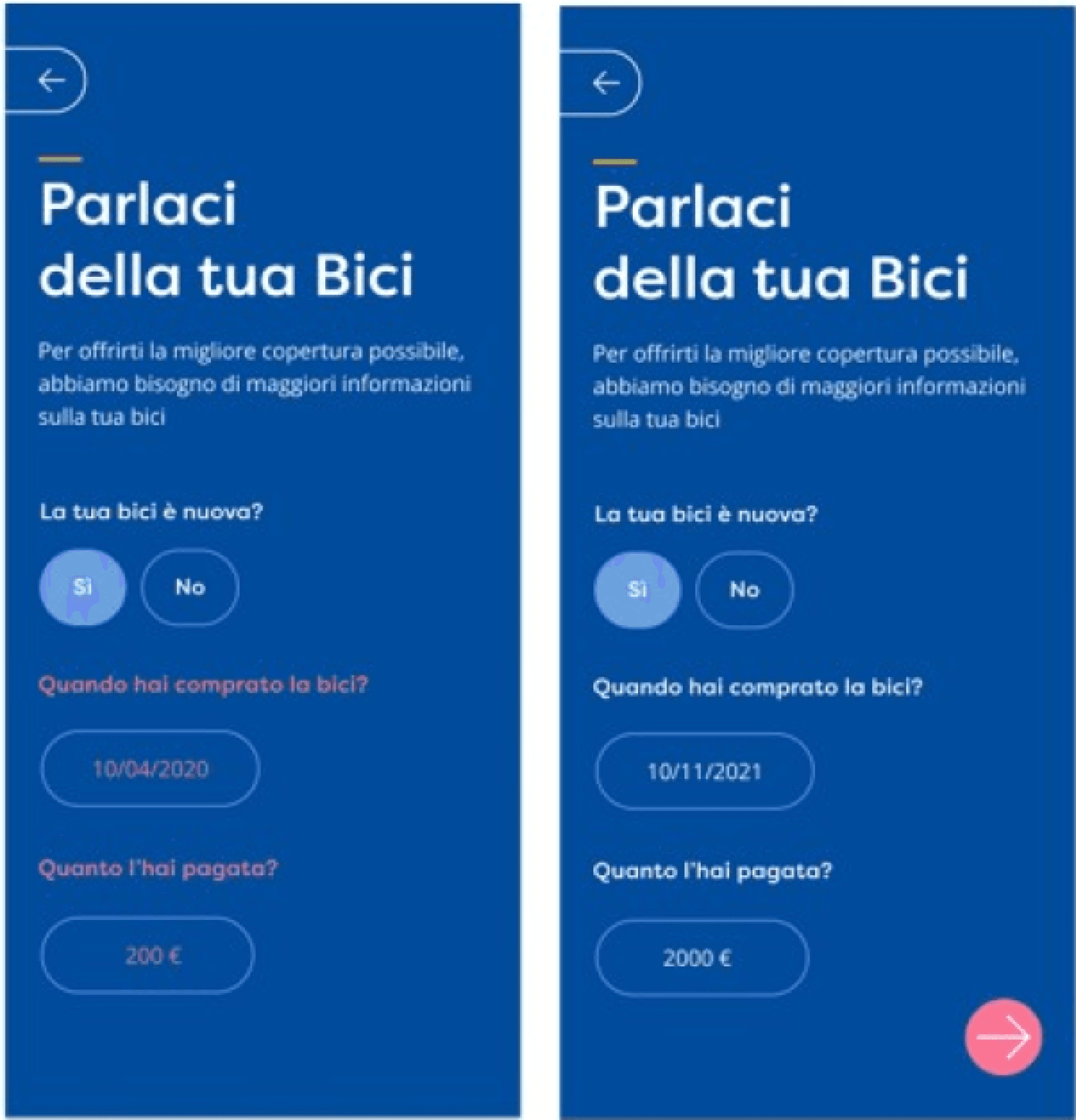
NON ACCESSIBLE TEXT AND COMPONENTS
The heuristic evaluation found several components and texts that did not met accessibility standards.
LACK OF GUIDANCE
Users are not guided through the process, they do not know why they are being asked this information
UNCLEAR CTA
CTAs are not supporting users throgh this process, making it hard to understando how to continue this process and what to expect next, potentially increasing drop rates.
Field Research: Uncovering User Needs and Behaviors
The project was developed using an agile and participatory approach, involving designers, developers, and key stakeholders.
We worked in iterative cycles that alternated between introducing new features, redesign activities, requirement gathering, development, and testing, up to the final release.
This model enabled faster decision-making and continuous service improvement, even in moments of high uncertainty, when requirements were not always fully available or clear. The design team successfully handled multiple redesign requests under pressure, ensuring the product evolved effectively.
9
Interviewees
BIKE TYPES
Muscular City Bike
Electric City Bike
Electric Mountain Bike
Mountain Bike
Riding Bike
CONTEXT
Urban
Small cities
Natural
USE
Freetime
Commuting
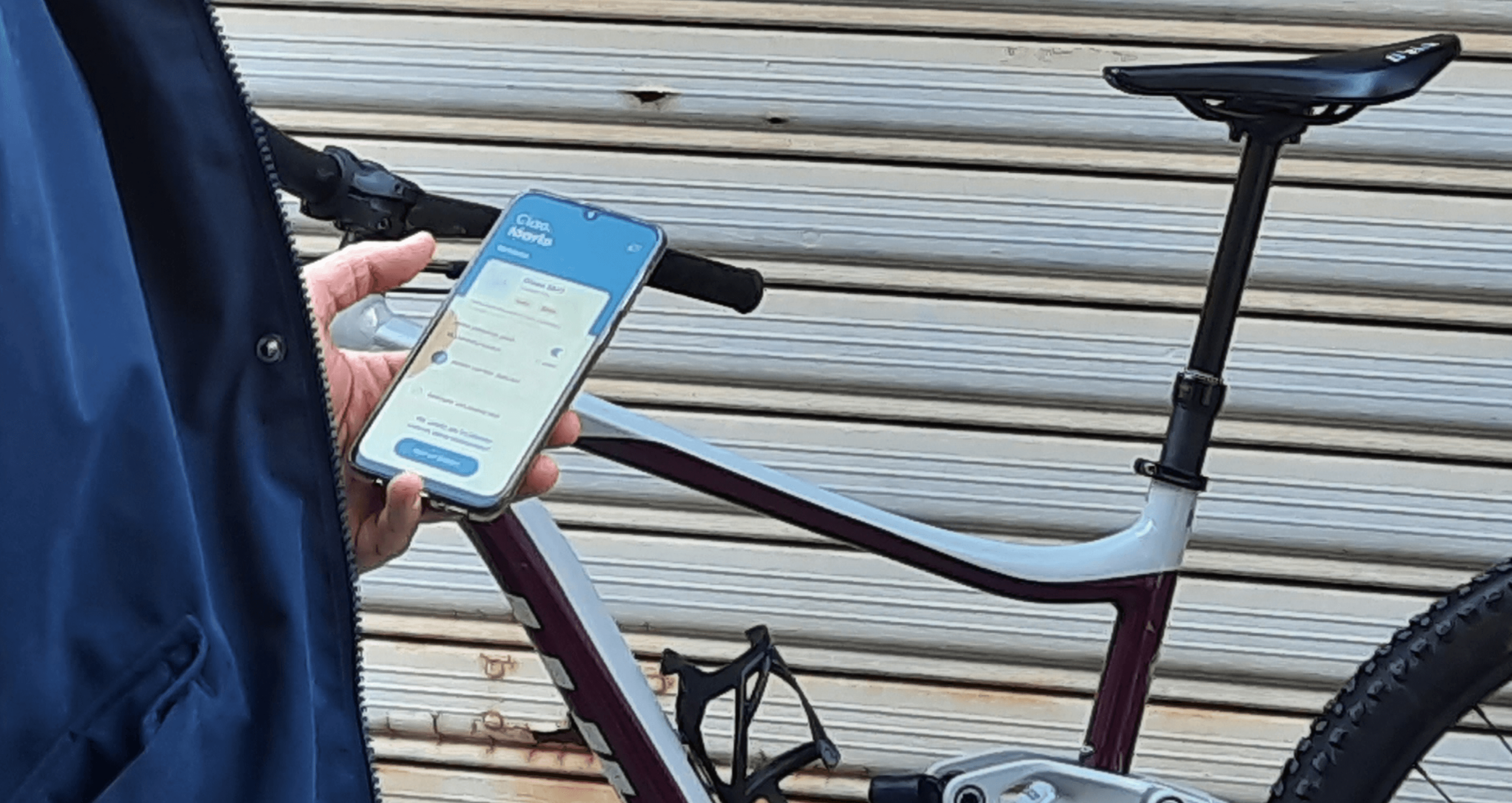
We conducted nine in-context interviews at participants’ locations, speaking directly with bike owners about their riding habits and behaviors.Our goal was to understand their motivations, challenges, and unmet needs, and to evaluate how Reale’s bike insurance could deliver meaningful value and improve their overall experience.
Below is an overview of the interviews sample.
Gathering contextual evidence: what do users need?
Invisible damage
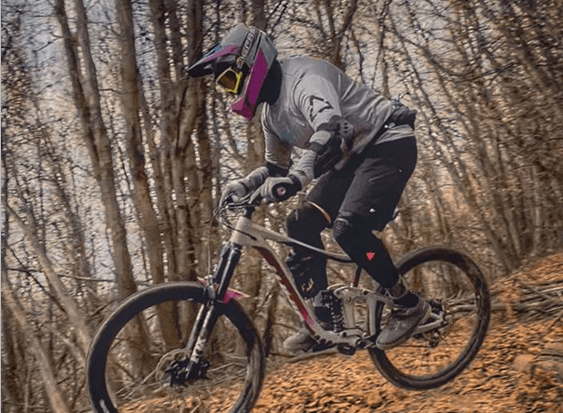
Modern e-bikes and expensive MTBs are full of technology. Some damage might be invisible but will impact performance. For example, suspensions or the main screen might not work.
The weight of safety
DESCRIPTION
Leaving the bike unattended as one is commuting or shopping, might be risky. When choosing a lock, many prefer size over safety, rather attaching more than one lock.

Testing the concept: is the product worth it?
They went through the onboarding flow on the prototype and shared their thoughts on pricing, coverage, and the speed of obtaining a quotation. We then presented these findings to the client and used them to enhance the existing design. Feedback centered on the ability to personalize the insurance according to users' needs, its modularity, transparency, clarity of terms and conditions, and the process for managing potential claims.
Designing a more user friendly MVP
Key Insights
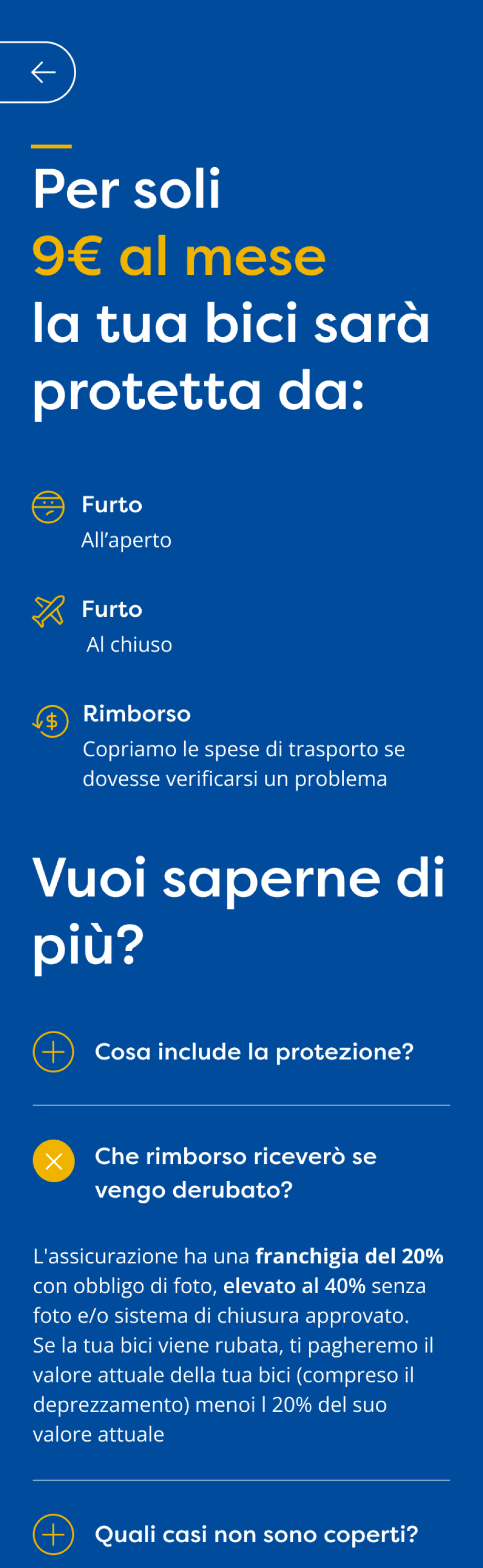
Original design
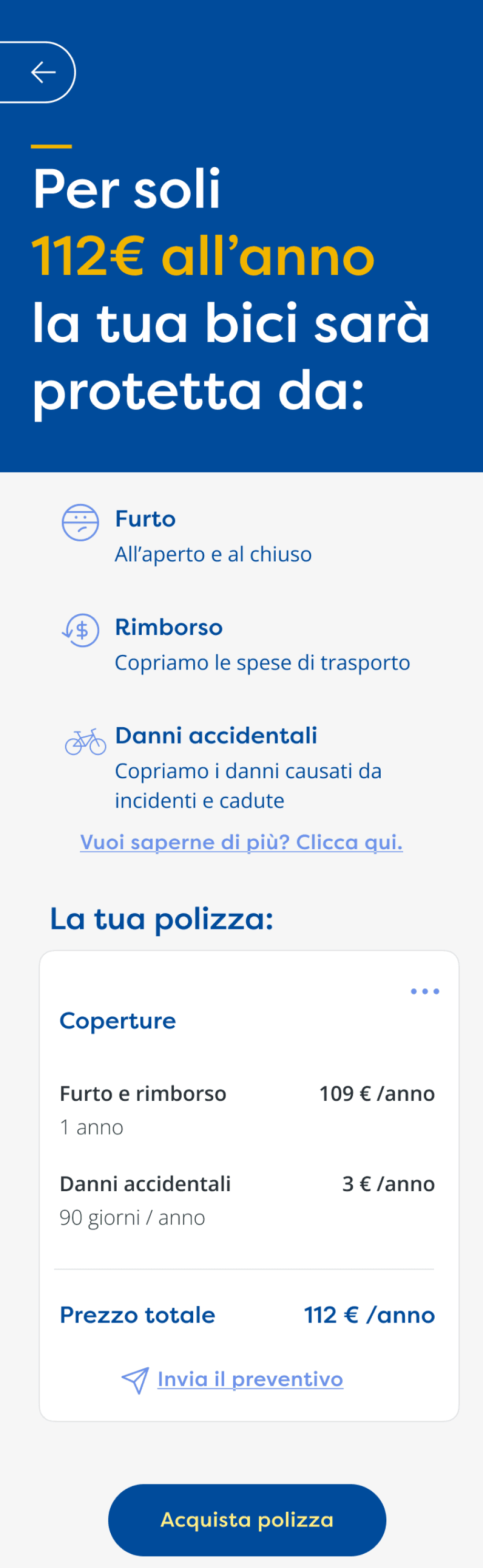
New design proposal
Visibility
Transparency
IMPROVED VISIBILITY
Strengthened the visibility of the insurance coverage by clearly highlighting key benefits such as theft protection, transportation costs, and accidental damage.
Transparency
TRANSPARENT PRICING
Increased pricing transparency, breaking down how the final premium is calculated.
Guidance
SECURITY CHECKS ALERT
Introduced cleared and stronger CTAs, giving users more control and confidence.
Homepage
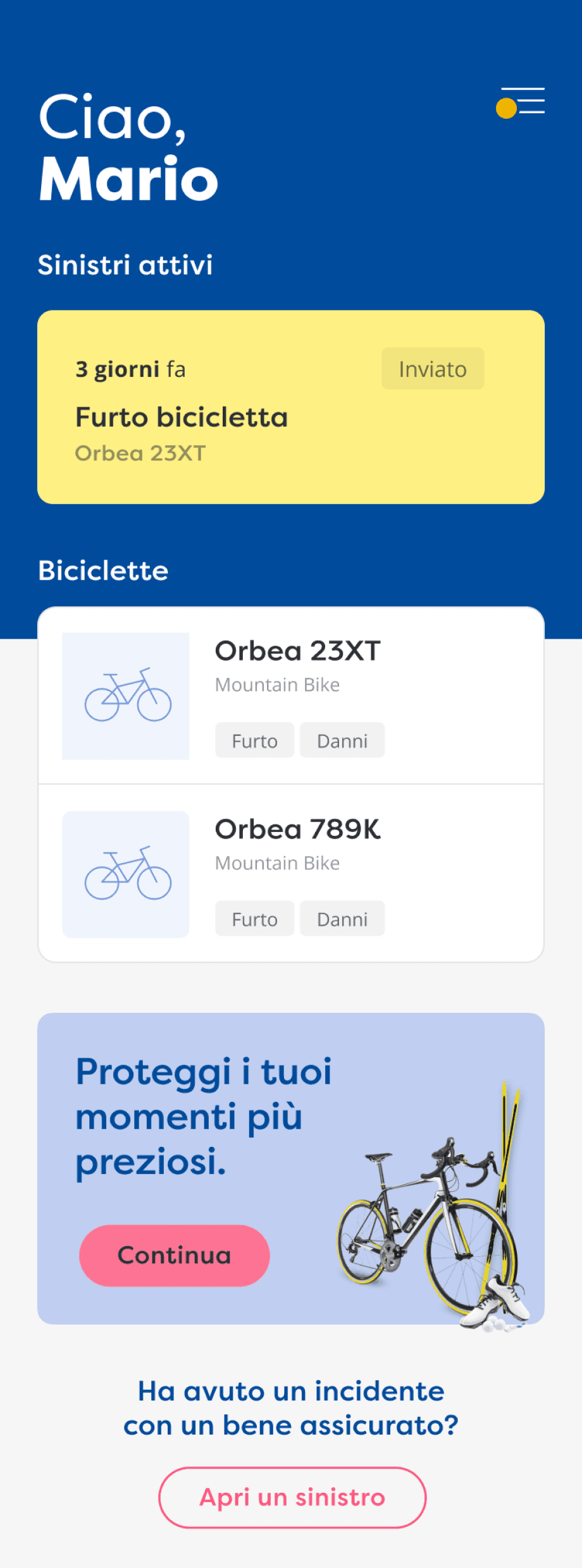
Original design
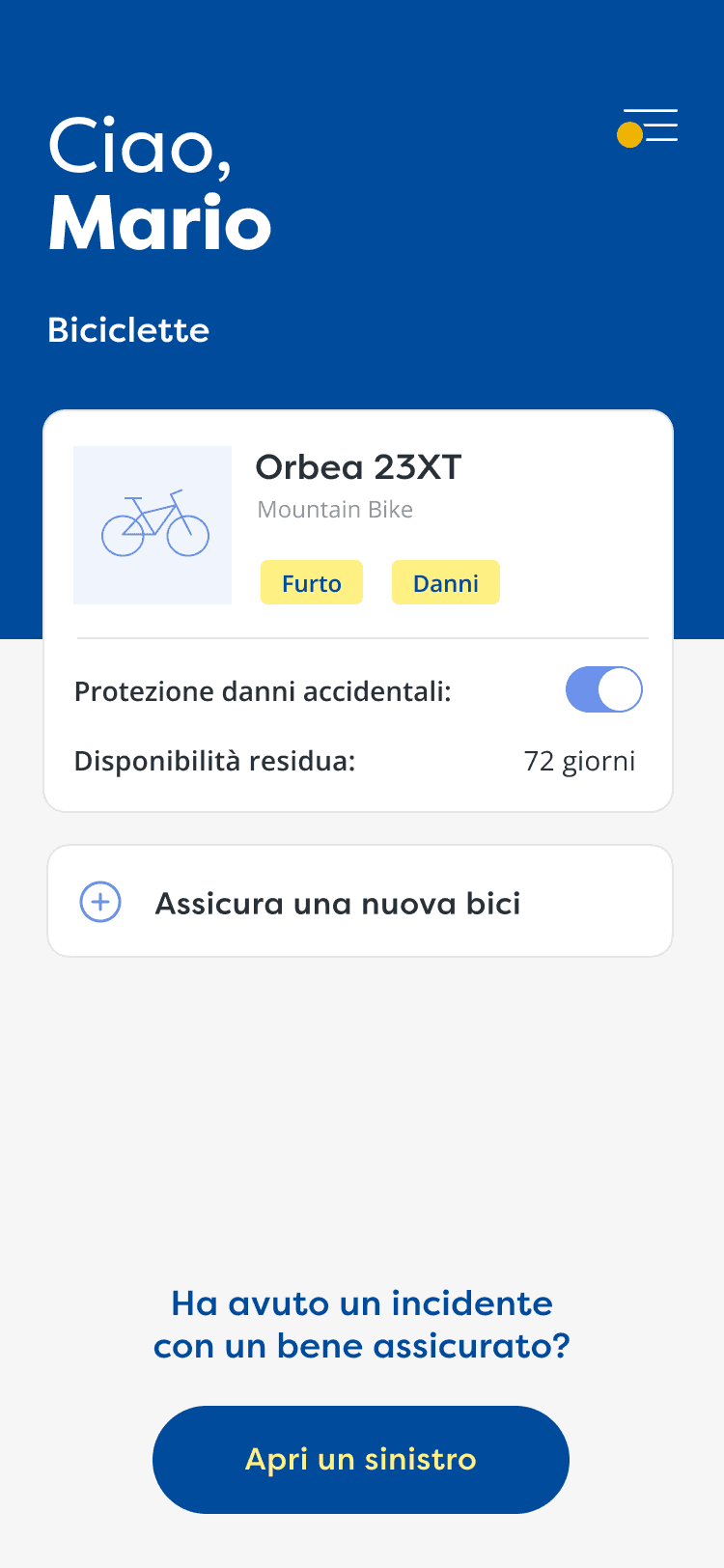
New design proposal
Visibility
Transparency
INSURED BIKES INFORMATION
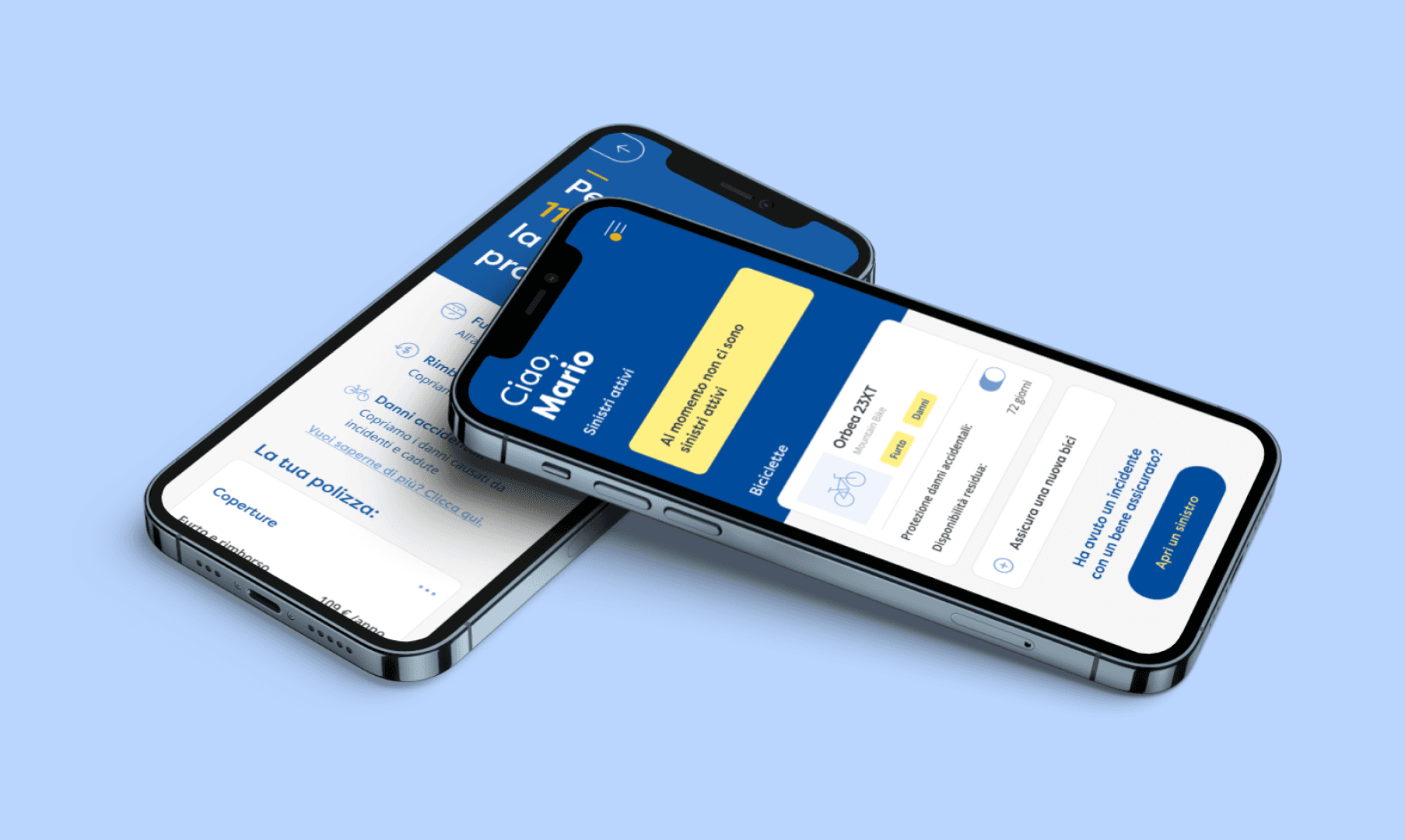
Additional information about insured bikes (e.g. activation status, days remaining) was added to improve visibility at a glance.
Visibility
INSURE A NEW BIKE
A dedicated CTA was added to the homepage to start the process of insuring a new bike, making it easier for users to purchase additional coverage.
Visibility
Transparency
Accessibility
IMPROVED CTA VISIBILITY
The CTA "File a claim" was made more visibile and accessible, allowing users to file a claim easily when necessary.